The beginning
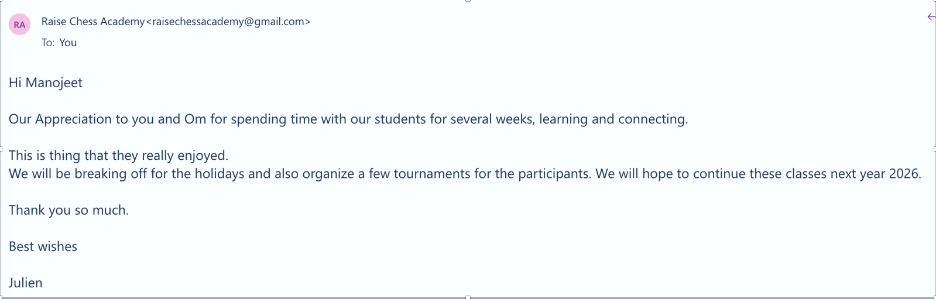
In 2025, I partnered with Raise Chess Academy (RCA) to design a training program for a small group of selected children. The goal was to introduce intermediate level chess concepts that would challenge them creatively and inspire a deeper interest in pursuing chess at a higher level. Weekly classes were scheduled, and the program strategy was developed in collaboration with RCA founder Julien Kanyonga to support the children’s growth and align with the overall mission and ambitions of RCA.
What is RCA?
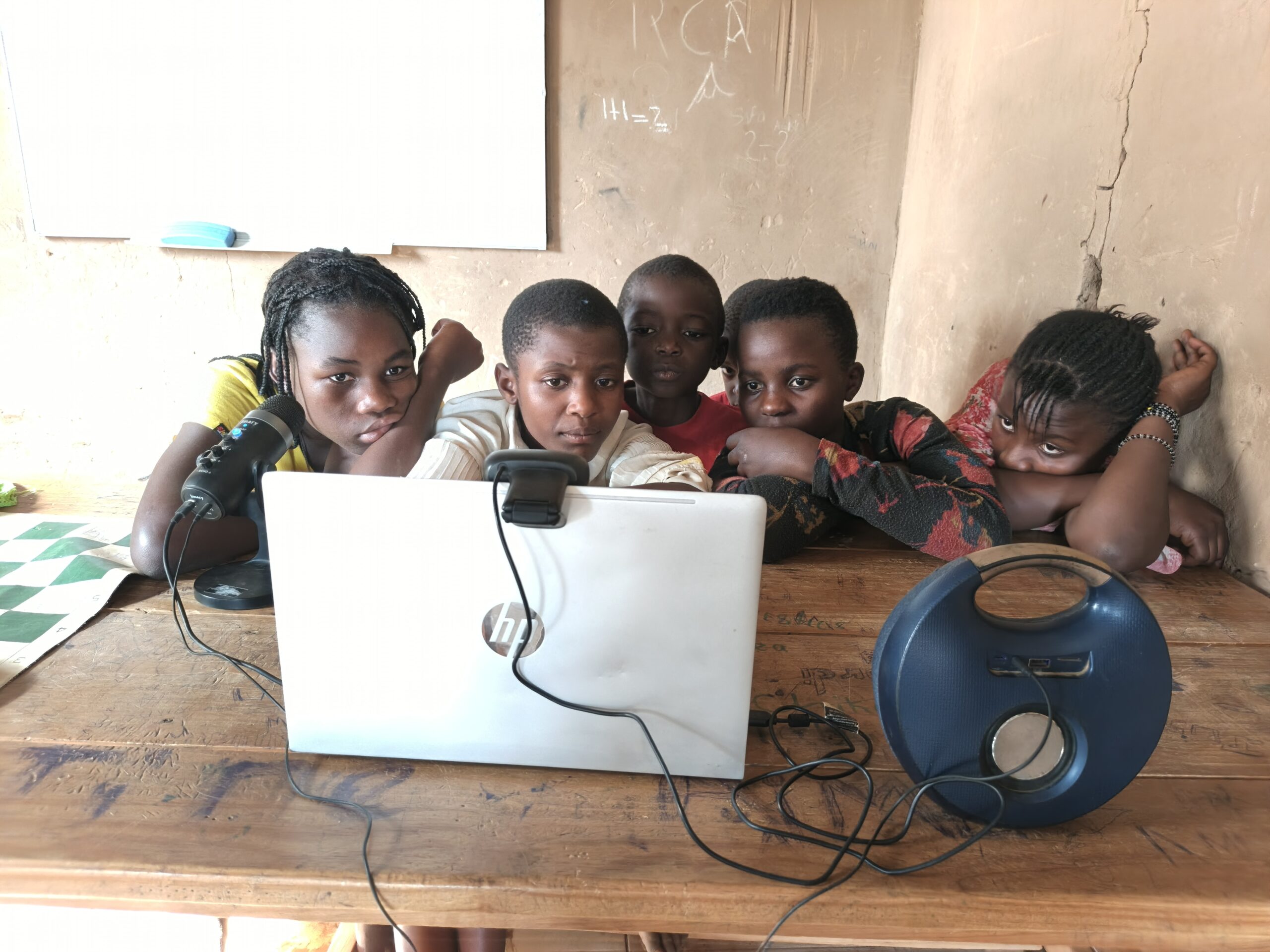
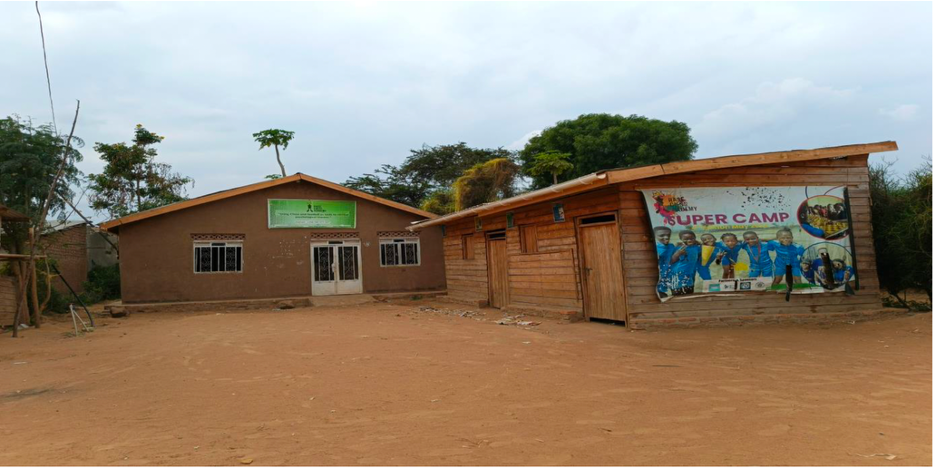
Raise Chess Academy (RCA) is a community driven youth organization based in Nakivale Refugee Settlement in southwestern Uganda, home to 180,000+ refugees from DR Congo, Burundi, Somalia, Rwanda, Ethiopia, and Eritrea. RCA serves over 500 refugee children and youth daily by providing a safe, inclusive space for education, mentorship, and empowerment through chess, literacy, digital learning, and life skills programs.
Many participants have experienced forced displacement, trauma, poverty, and interrupted schooling, and RCA exists to bridge these gaps by fostering critical thinking, leadership, resilience, and a strong sense of belonging. More than a learning center, RCA has become a trusted community hub and a family for refugee youth, equipping the next generation with skills, confidence, and dignity to not only survive displacement, but to thrive.
It’s time to meet Julien Kanyonga
Julien Kanyonga is the Founder and Executive Director of Raise Chess Academy (RCA), a refugee led initiative based in Nakivale Refugee Settlement, Uganda, born from his own journey of displacement, loss, and resilience. Fleeing violence in the Democratic Republic of Congo, Julien arrived in Uganda at the age of 10, where his family faced homelessness, discrimination, and profound hardship.
During the isolation of COVID-19, after the loss of his father, Julien rediscovered chess as a source of healing, realizing its power to help children think, hope, and recover from psychosocial trauma. What began as a personal coping tool became a mission: to use chess as a pathway for refugee children to grow from pawns into queens and kings, restoring dignity, confidence, and a sense of family.
Today, Julien leads RCA as a home for hundreds of refugee youth, grounded in the belief that where there is pain, joy can still be built and status should never limit greatness.

Let’s meet Black Pink team
When I was first introduced to the group of children that Julien had selected for this initiative, I was genuinely excited to meet them and learn about their individual backgrounds. As I listened to their stories and observed their enthusiasm, that initial excitement quickly turned into a deep sense of humility and gratitude. I realized how privileged I was, and I felt an immense respect for each child.
Despite having already faced more challenges in their young lives than many ever will, they came to class with warm smiles, open minds, and a genuine eagerness to learn and grow.
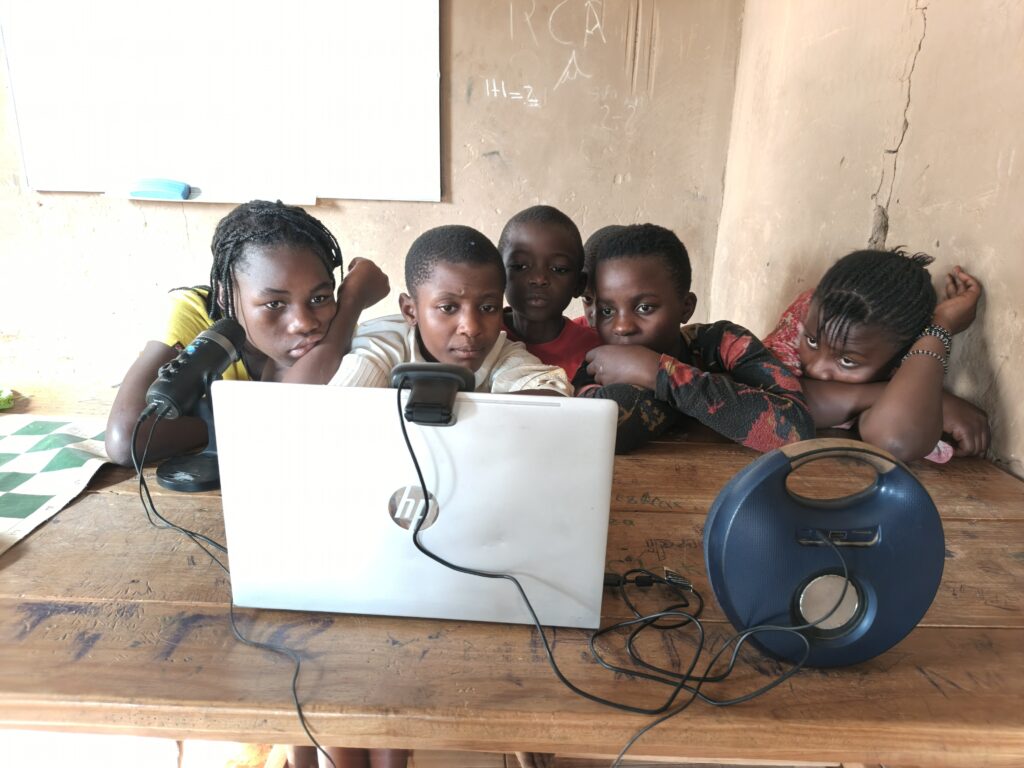
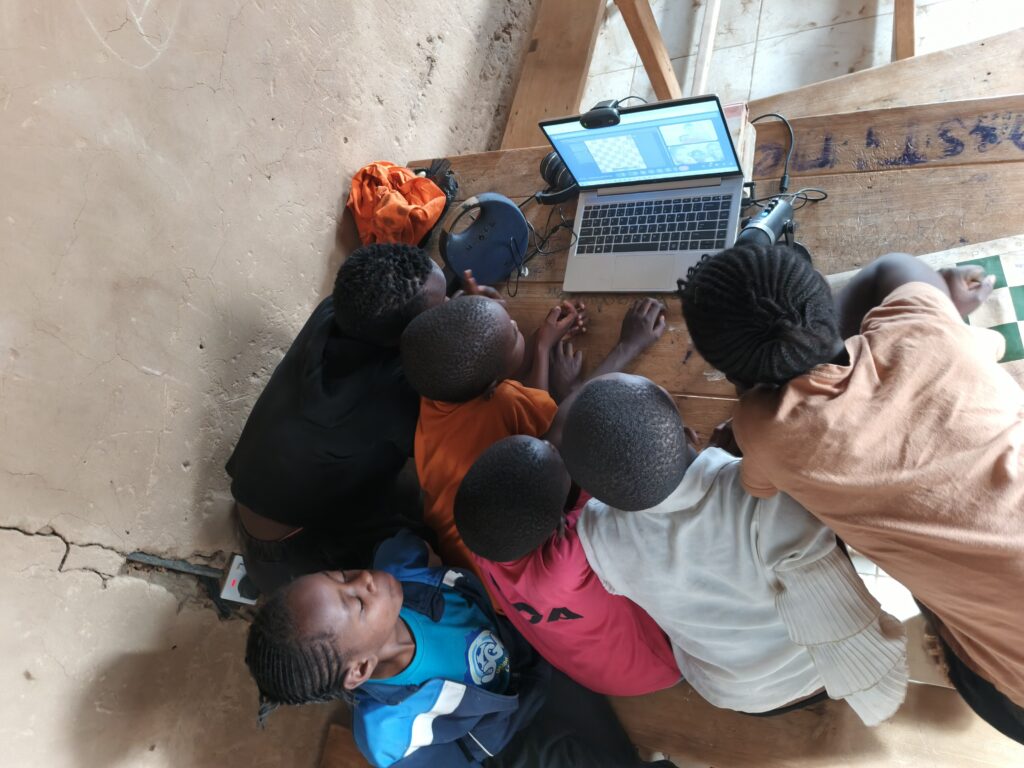
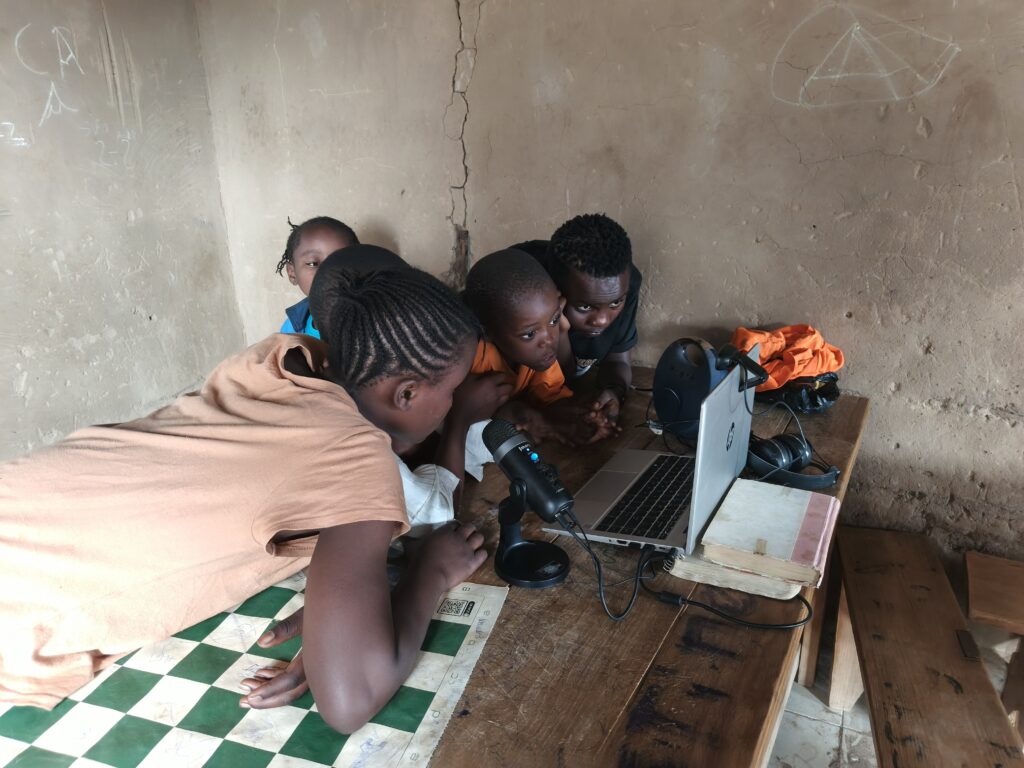
What struck me most was their resilience and curiosity. Each session felt like a shared journey, where the children not only embraced new chess concepts but also welcomed the challenge with confidence and determination. The class consisted of six students: twin sisters Martte Bahati and Furaha Bahati, Samiaty Issa and Gloria Issa, and two boys, Nicholas and Felix. Together, they created an inspiring and supportive learning environment that made every class both meaningful and memorable.
On the first day, I invited the students to choose a name for our team. After a lively and enthusiastic discussion, they settled on the name Black Pink. While I do not yet know the full meaning behind the name, I look forward to understanding its significance when we resume our sessions in 2026. That simple moment marked the beginning of Team Black Pink and gave the group a shared identity from the very start.
- Chapter 1: Introduction to the board, pieces, and setup
- Chapter 2: How each piece moves, with fun mini games
- Chapter 3: Check, checkmate, and stalemate basics
- Chapter 4: Simple opening principles
- Chapter 5: Beginner tactics
- Chapter 6: Playing complete games and a mini tournament
My experience
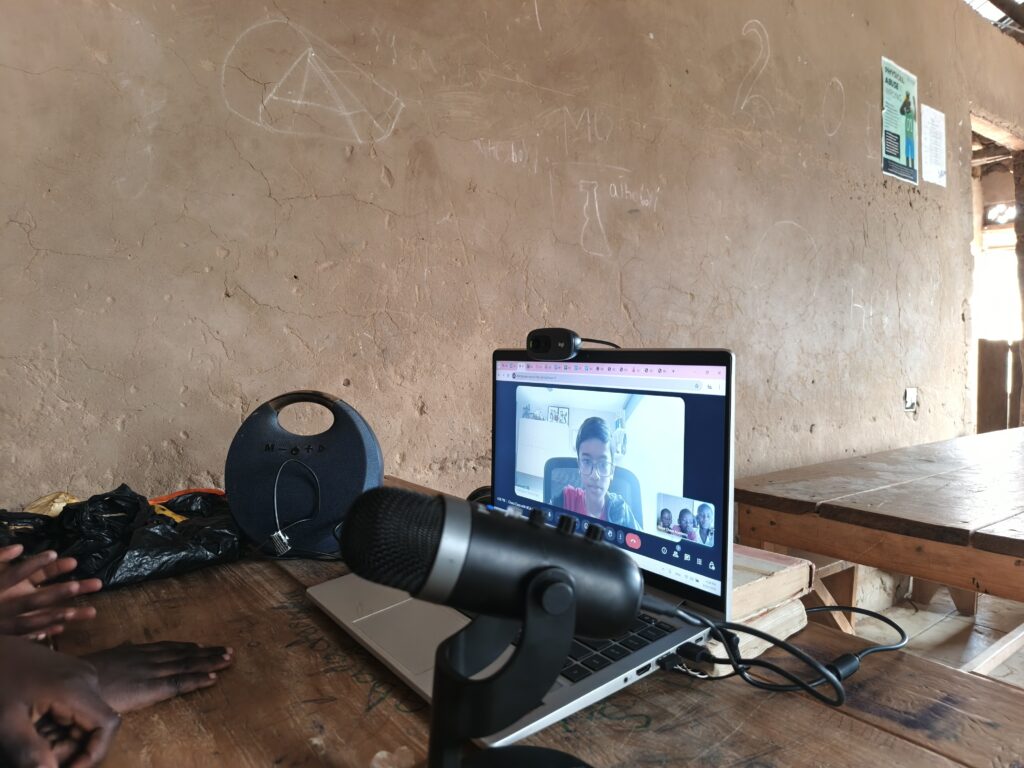
This was my first opportunity to work closely with children whose backgrounds were so different from my own. I was quite nervous when the sessions began, unsure of how they would respond and whether I would be able to engage them in a meaningful way. As the weeks went by, those concerns slowly faded. I came to realize that, on the other side of the screen, there were children who shared the same curiosity, excitement, and love for learning that I once had.
Before long, we became friends. We talked about the things we enjoyed doing, the foods we loved, and how we spent our days. Each conversation revealed something unique, and we listened with genuine interest and appreciation for one another. Those shared moments helped build a strong connection and made the experience deeply rewarding for all of us.
The language barrier
Julien Sir asked me to speak very slowly in English, as it is not the children’s primary language and they are still in the process of learning. He demonstrated the pace he felt would be most effective, and while it initially felt quite unfamiliar to me, I understood the importance of being clear and intentional. I chose not to take any chances and carefully followed the approach he recommended.
The courage
During the fourth week of our sessions, I suddenly heard what sounded like gunshots. The noise was loud enough that, for a moment, I feared it was coming from outside my own window. I quickly realized it was coming through the speakers and found myself looking closely at the children’s faces on the screen. To my surprise, I saw no fear at all. They remained calm, focused, and composed, as if the sound had barely registered.
Julien sir immediately noticed my uneasiness and explained that such sounds are, sadly, not uncommon near the refugee camp due to ongoing activity in the area. That moment stayed with me. There are certain experiences in life that quietly but profoundly change the way you see the world, and this was one of those moments for me.
The reward
Raise Chess Academy and Julien have already done so much for these children that it often felt difficult to imagine how someone like me could make an additional difference. Still, I did my best to keep the sessions engaging, to encourage their love for chess, and to help them discover a deeper meaning in the game that might offer moments of focus, joy, or relief from the challenges they face each day.
I cannot say for certain how much I achieved, but I do know this: they showed up to every class, laughed often, stayed fully engaged, and brought incredible energy to each session. In those moments, I found my greatest reward. I am truly looking forward to restarting the sessions in 2026.